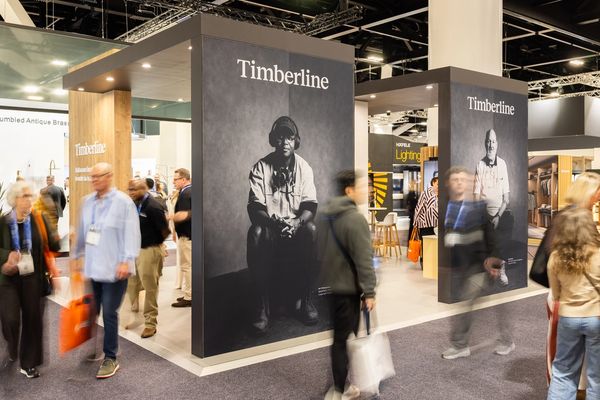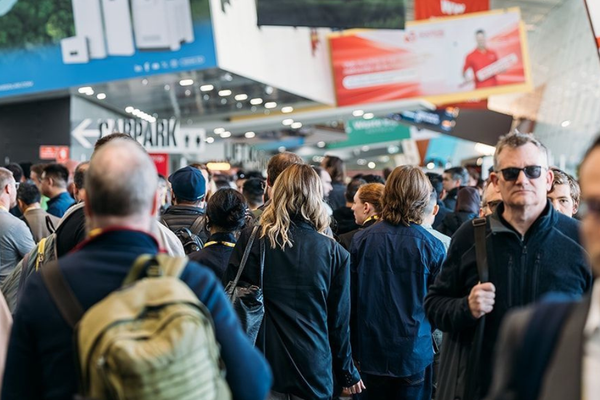
Trade shows are expensive. Sometimes eye-wateringly so! Yet many exhibitors walk away asking the same question: did it actually work?
The stand could have felt busy and the team could be flat out, but when it can feel like there’s no clear way to explain what the investment really delivered.
In Australia, businesses invest thousands, sometimes hundreds of thousands, of dollars into exhibitions each year. They know they need to show up and be seen. But often, the focus shifts to bigger stands, better designs, or more impressive activations and the original purpose gets lost.
The B2B brands that consistently achieve strong trade show results aren’t doing anything flashy. They’re treating exhibitions as part of a broader growth strategy and making decisions with outcomes in mind long before the doors open.
This article breaks down how to maximise trade show results without increasing space or budgets and is quite literally how we are helping clients to transform how their teams show up and deliver tangible results.
Why most exhibitors struggle to get results
Most marketing and event managers are stretched thin. Trade shows often land on top of already full plates, which means planning becomes reactive. The focus shifts to logistics... booking space, briefing builders, organising artwork, getting the team onboard and the strategic intent quietly slips down the priority list.
From the outside, everything looks fine. The stand is built, people are stopping, conversations are happening. But “busy” becomes the default measure of success simply because there’s nothing else to point to.
Without clear objectives and agreed measures in place, teams start looking sideways, copying what competitors are doing, adding features that feel safe and hoping more activity will equal better results. This is the danger zone. It's where most opportunities are lost. It isn't because teams don’t care, but because they didn't have the clarity needed to succeed.
All anyone see’s is the glamour on show day. They see the lights, the smiling faces, crowds, the coffee carts and think that everything is peachy. What they do not see are the results at the end of the day.
It’s easy to see how many businesses would look around and think that because their competitors stand was busy, that they must be achieving great results.
Let me be clear – this is not a good measure of success.
“Busyness” is not a great measure of success, yet when teams don’t have any other measurements in place, it’s the fall back.
When leadership say; “So, how was the show?”…
“Great, we had a really busy stand” is just a filler phrase.
When teams only have this as their yardstick, they look around the show to see what the busy stands have and start making requests.
They let what others have steer their design choices.
That’s when we get asked for bigger and better activations or a living wall that makes their space “more inviting.
This might make your space look nice, but it won’t sharpen your results.
There is no sound strategy linked to these decisions and it will only lead to an unclear team, misalignment on the show floor and massive missed opportunities.
When you get the approach right from the start and make decisions based on solid foundations, you get clear outcomes, a purposeful design and clarity on whether a show was successful or not.
What “results” actually mean (and why most teams get it wrong)
Everyone is chasing ROI. Sure, that is the ultimate goal for any business investment. But, with many of our B2B clients with longer sales cycles, we know they aren’t always going to get sales at the show.
Our team walk into businesses that have solid processes for how they get their teams ready for an exhibition, but they almost always require some tweaks to catapult their success.
“If you can’t measure returns at the show, what’s left to measure?
… Most revert to investment and number of leads.
This is valid, but doesn’t show the complete picture. When we work with clients to develop their strategic plans, it’s always directed to the goals that are going to move the needle for their business most.
Why were they attending the show in the first place? Are they new to market and looking for brand awareness? Or building pipeline? Or looking to strengthen relationships with key contacts in the industry?
Each of these goals should be treated differently, both in what activities you undertake as well as how you measure your results.
Why strategy and experience drive real trade show performance
Where most trade show plans fall short is that they jump straight into the design phase when they get a budget. Then because resources are already allocated (both time and budget) they are scrambling to then work out how to get the best results.
A great design alone, won’t get you good results. Even the most amazing sales team, alone cannot maximise your trade show results. The magic happens where all of these are in alignment.
Real impact is a direct result of all the activities that take place ahead of the show and how they overlap with the customer experience.
Before the show: where results are won (or lost)
Over the years, we have learnt that if we spend time in planning upfront, makes an enormous difference to the results at the end. Defining success before the design begins is a quick win that everyone should implement immediately.
We have seen the value in this part, so much that we now have a separate consulting arm that specialises in it and then works closely with the experienced stand builders to bring the 3D elements to life.
We learnt that the clients that consistently earnt great results did key parts of their planning in a specific order. The OSCAR framework is literally born from this proven process.
Each step in your trade show planning must build on the previous step and helps uncover, guide and harmonise the whole trade show process.
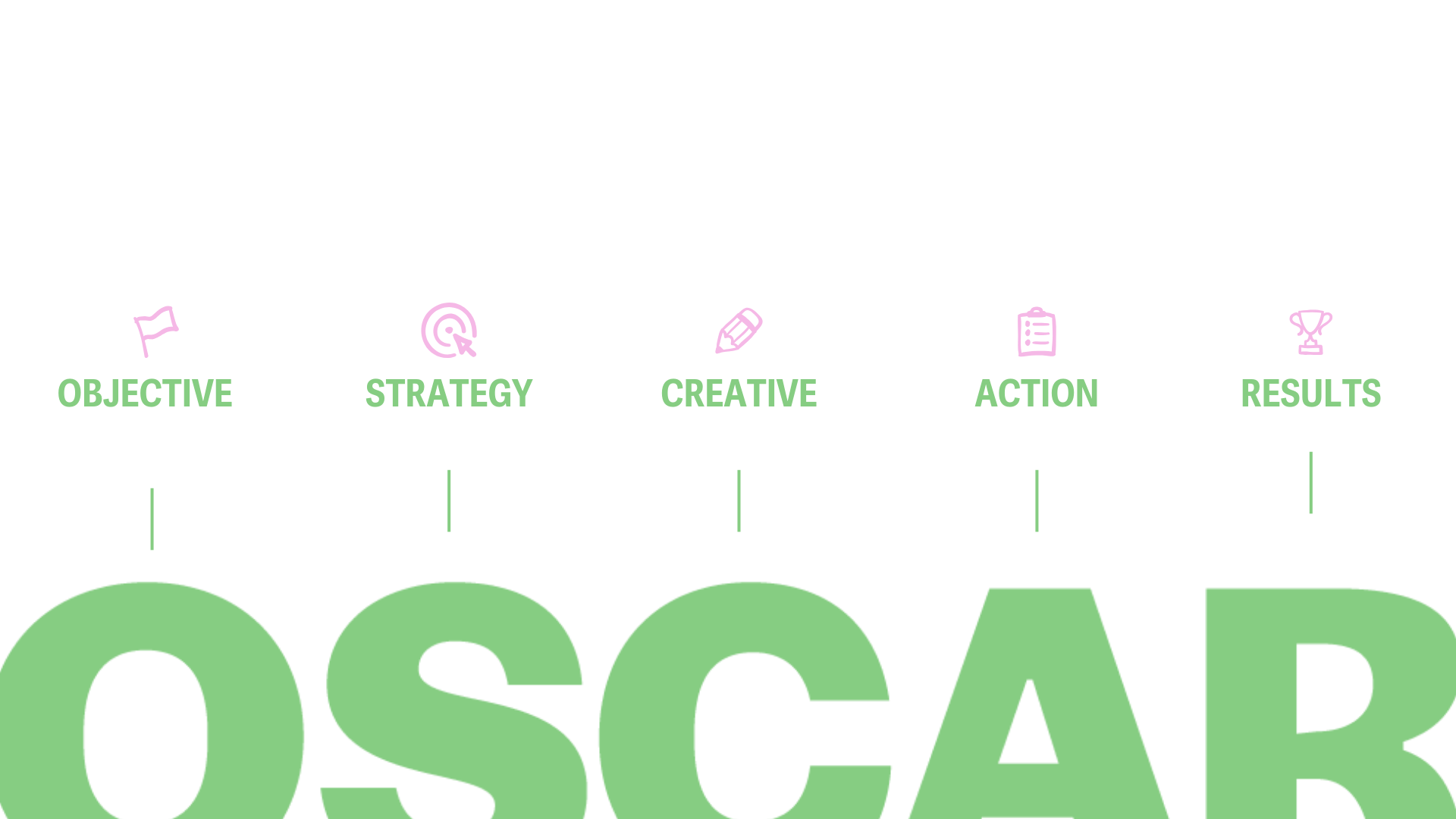
When you have a clear business objective, it steers every decision from how you engage with your audience. This really is the secret to maximising trade show results.
Everything from picking KPIs that matter to leadership and the team, aligning sales and marketing and of course, how you design and build your exhibition stand.
During the show: turning attention into results
Even the best sales teams need guidance around how a trade show will unfold. It is such a unique and fast paced environment where the effects are magnified. You have a short period of time to capture attention and engage your audience.
This is where clarity of your plan pays off. Your team need to be well equipped to have more of the right conversations.
High engagement is lovely, but quality engagement is where most of our B2B clients would rather be. That comes down how the design and the plan are executed on the day. And that is a direct result of how well the planning phase has been done.
(By this point you are probably realising how much we value the strategic planning). There’s good reason for that…
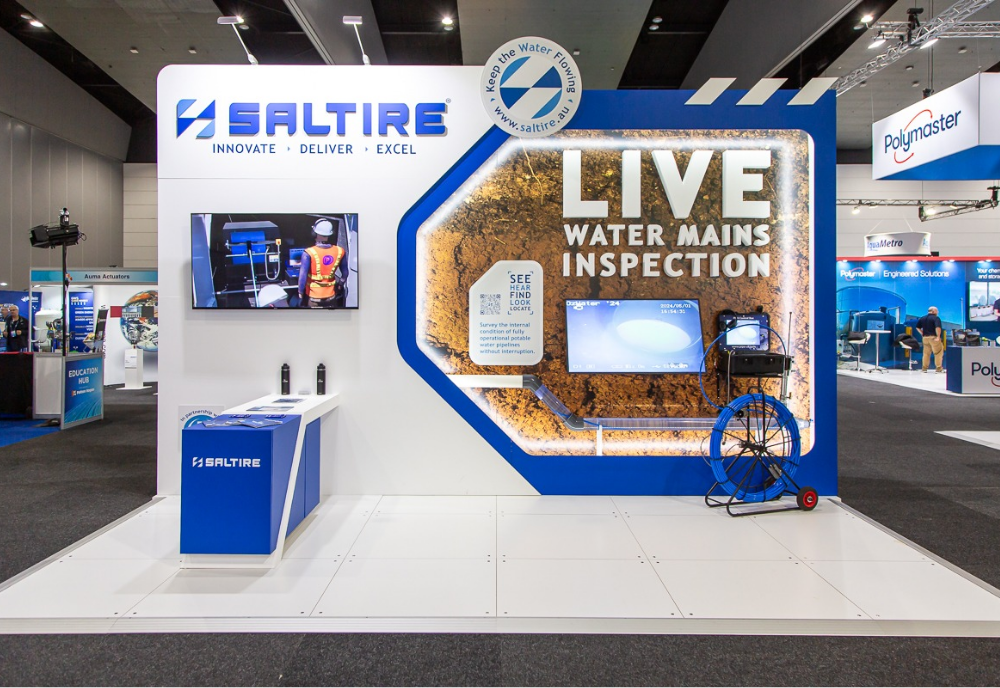
Take Saltire Infrastructure. They increased their qualified leads by 487% at the same show, with the same stand size. The only difference was the strategy that drove their engagement, their messaging and their design. An unquantified improvement was the confidence in their team. A key difference they recognised was that compared to the earlier year, where they felt really busy, but didn’t land nearly as many leads, this year they had fewer, better quality conversations and they just flowed.
After the show: where ROI is actually realised
Most of our B2B clients have complex sales cycles with longer sales cycles. They are not going to be able to measure ROI directly after a show, this is just the way it is.
To combat this, we assess their goals and measure what we can to provide a clear snapshot of the show’s success. It could be the quality of a lead, number of meetings or brand engagement.
The focus is often on behaviours or early signs of success that will ultimately lead to improved business outcomes.
If you’re looking to maximise trade show results, follow up is essential. I’d go as far as saying there is zero point taking someone’s details if you don’t reconnect with them in a timely and human way.
Sidenote: I say “human” because there is nothing worse than being on the receiving end of a scripted call back that is spoken so fast because they just want to get off the phone (pet peeve right there).
Aside from attribution and prompt follow up, market research is also worthy of a mention. Trade shows and exhibitions are hands down one of the most phenomenal places for it. You see your competition, get to speak directly to the market and hear their feedback, in their voice, without any guesswork.
The valuable data that comes from trade shows doesn’t only help shape the next event. The insights help with greater business decisions too. It pays to have structure around trade show metrics or you will miss the opportunity completely.
Lead volume can be useful, but on its own it rarely tells the full story. A stand can generate hundreds of scans and still struggle to create meaningful opportunities if the team aren't spending time with the right people.
The mindset shift that changes everything
It’s easy to get lost in the idea of a trade show being a 2-3 day event. When we change that view so the investment is seen as part of the greater business plan, it becomes an asset to the business.
Taking a longer term view leads to more vigorous planning and the investment begins to work in alongside other sales and marketing efforts taking place within the business.
Just a beautiful stand design alone won’t guarantee results, without getting crystal clear on what you want to reach for in the first place, and the accompanying KPIs to go with them, it’s going to be hard to structure. KPIs aren’t to put a dampener on the experience, having them actually helps shape it by narrowing your focus!
This is where an experienced strategist can be invaluable. They can steer conversations and guide ideas towards what is both impactful and results focused.
When trade shows become growth engines
When we work with teams to look inwards, instead of comparing their efforts to their competition, there’s a beauty in choosing to swim in your own lane. - This coincidentally is often what pays off!
Confidence increases when you can demonstrate firm numbers that are meaningful to the businesses goals. Over time, as you build on your data across multiple shows, that’s when you get great feedback on what is working and where you can improve. The hard part is starting in the first place.
Trade shows don’t fail because teams don’t care
When objectives, strategy, creativity and execution are aligned from the start, the whole exhibition experience stops feeling like a gamble and instead like a sales growth channel.
If you’re planning an exhibition and want to maximise trade show results without increasing your stand size or budget, a conversation could change everything.
If that sounds useful, you’re welcome to reach out for a no obligation chat. We will help you sense-check your approach and share some insights.
FAQ: Maximising Trade Show Results
How do you measure trade show success?
Trade show success is notoriously hard to measure for B2B brands. This is usually due to longer sales cycles, which makes capturing ROI directly after the show close to impossible.
That said, we still recommend creating processes to attribute sales back to the trade show over time, while also establishing KPIs that provide an immediate snapshot of the show’s success. These early indicators help teams confidently report on outcomes while longer-term results mature.
What KPIs matter most at trade shows?
There are many things you could measure at a trade show, but the most valuable KPIs are those that align directly with the business goals for that specific event. Because objectives can change from show to show, KPIs should too.
For sales-focused goals, this may include the number and quality of leads, meetings booked, or opportunities influenced.
For brand awareness, KPIs might include brand engagement, website visits, or social media activity.
For strategic objectives such as recruitment, partnerships, or industry visibility, measures could include meetings with key accounts, potential hires, or speaking opportunities secured.
Why do busy trade show stands still underperform?
This truth doesn’t always land comfortably, but busy stands are often focused on entertaining or hosting an audience rather than engaging them strategically. Activations can be powerful, but only when they operate within a clear plan.
Most sales teams we work with would rather have fewer, more focused conversations with the right people. Higher-quality engagement almost always leads to stronger outcomes than high foot traffic alone.