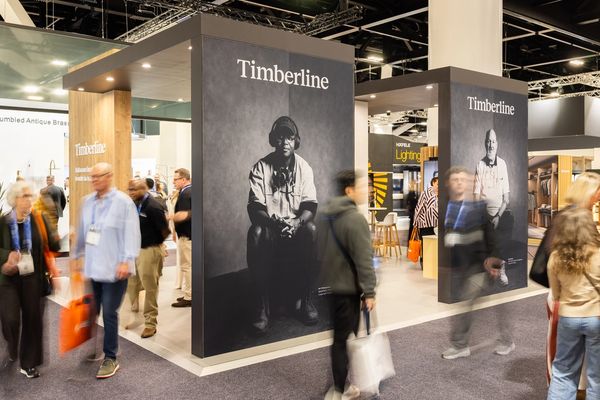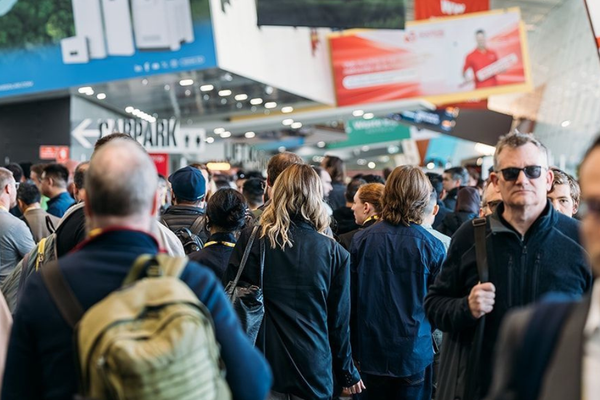
One of the biggest mistakes exhibitors make is assuming every trade show problem has the same solution.
If nobody is stopping at your stand, the issue could be your message.
If visitors aren't noticing you, it might be your location on the floor, your stand design or how your team are engaging with the aisle.
If you're attracting plenty of people but struggling to convert them afterwards, the challenge could lie in your follow-up process.
That’s the thing about trade show performance… It is rarely determined by a single factor.
But there is one challenge I see time and time again when a stand feels busy and the team have lead scanners firing. That’s when everyone leaves an event feeling really positive.
Then a week later, the sales team are staring at a spreadsheet full of names wondering where to start. Marketing are trying to report on outcomes and leadership want to know what opportunities were actually created.
That's usually when things become a little awkward…
Because despite all the activity, and the budget invested, nobody is completely sure what the event delivered.
If that sounds familiar, lean in. This is where things get interesting…
This article isn't about attracting more people to your stand. It's about making sure your team spend their time with the right people once they get there.
Because when trade shows underperform, it's not always because there weren't enough conversations. Sometimes it's because the wrong conversations received the most attention.
The irony is that many exhibitors don’t realise they have a qualification problem until they’re staring at a spreadsheet full of leads and very little clarity.
And that’s where qualification becomes important.
Why More Leads Doesn’t Always Mean Better Results
Most exhibitors default to measuring lead volume because it’s easy.
It’s a nice clean number that fits neatly into a report and gives everyone something tangible to talk about.
The challenge is that lead volume can create a false sense of success.
One meaningful conversation with the right person can be worth more than fifty scans collected from visitors who were never going to become customers.
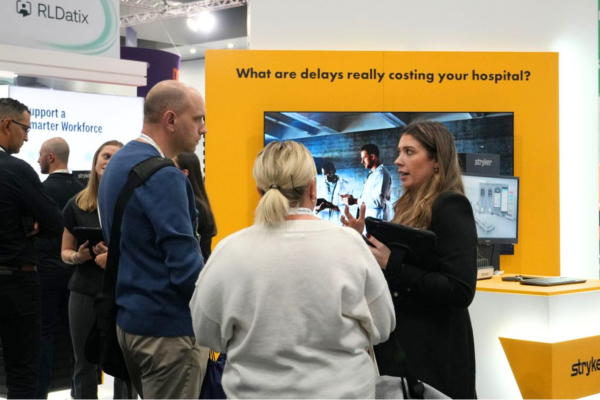
I saw this play out recently while supporting Stryker as a client exhibiting at a healthcare conference.
Before the event, we worked with the team to establish what success looked like and ensure everyone understood how to identify meaningful opportunities on the stand.
When the event wrapped up, they had only achieved a little over half of their original lead target.
On paper, that could have looked disappointing.
Instead, the team were thrilled.
They understood exactly who they had spoken with, which opportunities aligned with their objectives and what needed to happen next.
Several follow-up meetings were already booked before they left the event.
With an 18-month sales cycle, it will take time to see the full commercial impact. But the team weren't judging success by the number on the lead scanner.
They were judging it by the quality of the opportunities created.
That's a very different conversation.
Yet many exhibition teams unknowingly treat every visitor as though they have the same potential value.
When that happens, a stand becomes reactive.
The team jump from conversation to conversation, trying to give everyone equal attention. It feels productive in the moment, but it often creates a real headache afterwards when somebody has to sort through the leads and work out where the opportunities actually are.
The result?
Lots of activity, but not always a lot of pipeline.
And that’s often where the frustration begins, because from the outside the event did look successful!
When Quality Becomes An Excuse
There’s another trap I occasionally see exhibitors fall into when lead numbers are low. It’s easy to hide behind the phrase “quality over quantity.”
And sometimes that’s a good motto. One great opportunity can absolutely outperform dozens of poor-quality leads, but if your team only had a handful of conversations across an entire event, it’s worth asking a different question.
Did enough of the right people actually stop?
Because qualification only matters once you have people to qualify.
I’ve worked with exhibitors in medical, pharmaceutical and highly technical industries where visitors may only have a short window between conference sessions to explore the exhibition.
Those environments can be challenging. The competition for attention is fierce and it can feel almost impossible to attract new people onto the stand.
More often than not, poor results aren’t caused by qualification alone.
They’re connected to something happening earlier in the visitor journey. The message isn’t landing. The stand isn’t getting noticed. Or people simply don’t have a compelling reason to stop.
The strongest exhibitors don’t choose between quality and quantity.
They pursue both.
They create enough opportunities to make the event worthwhile while ensuring their team spend time with the people most likely to create business outcomes.
With the right strategy, attracting enough conversations and focusing on the right opportunities aren’t mutually exclusive.
Because a stand full of poor-quality conversations creates problems, but a stand with no conversations creates them too.
The Hidden Cost Of Treating Every Visitor The Same
One of the biggest misconceptions I see is the belief that every visitor deserves the same amount of time.
Now, that’s not to say people should be ignored. Every visitor should have a positive experience with your brand.
But not every conversation requires a twenty-minute deep dive.
Some people are actively searching for a solution, others are gathering information for a future project. Some are simply curious about what you’re doing. And some are just filling time between sessions.
The skill is recognising where your team’s time is likely to create the greatest impact.
Because every minute spent in a conversation that isn’t moving anywhere is a minute your team isn’t available for somebody else.
At busy events, that opportunity cost becomes surprisingly expensive.
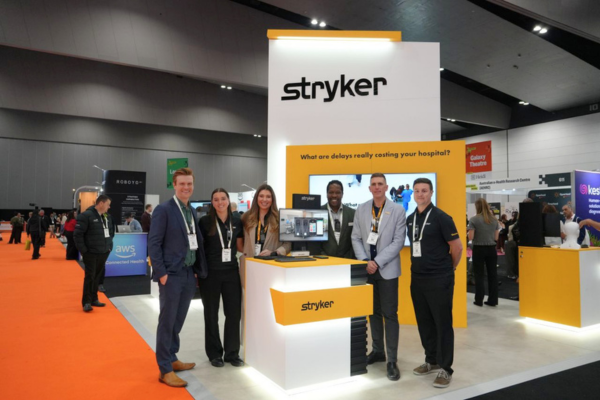
Why Busy Teams Often Miss The Best Opportunities
The irony is that some of the busiest teams on the show floor are the ones missing the biggest opportunities.
They’re trapped in conversations and too busy being helpful, answering questions and giving demonstrations.
Meanwhile, the person they’ve spent months trying to attract walks straight past the stand because nobody noticed them… Heartbreaking!
This is something I notice all the time.
A team member gets caught in a looong conversation that feels productive. They’re explaining products, answering questions and being helpful.
Meanwhile, somebody else walks past the stand, slows down, has a look around and keeps walking just because nobody was available.
Trade shows create a finite number of opportunities and your team’s attention is one of the most valuable resources you have.
The best exhibitors understand that attracting visitors is only half the equation. Managing the attention you receive is just as important.
Existing customers can create another challenge.
Especially in industries like medical, pharmaceutical and infrastructure where delegateshave short windows between conference sessions to explore the exhibition.
Their attention is being pulled in every direction and exhibitors often gravitate towards the familiar faces they already know.
It’s comfortable and conversations are easy.
But sometimes those comfortable conversations come at the expense of new opportunities.
Qualification is only one piece of the puzzle. Many exhibitors are still evaluating event performance based on activity metrics rather than business outcomes, which can make it difficult to understand what success actually looks like.
What High-Performing Teams Notice Early
Interestingly, the successful exhibition teams aren’t always the strongest salespeople.
B2B trade shows are nuanced environments. The team can’t launch into a polished pitch. Instead, the best teams focus on being curious.
They pay attention and notice behaviour and focus on understanding the attendee standing in front of them.
They listen carefully to the visitor instead of talking at visitors and they start exploring with them.
That’s often where the most valuable opportunities emerge.
Why Qualification Should Feel Natural
The word qualification sometimes makes people uncomfortable because it sounds transactional.
In reality, the best qualification rarely feels like qualification at all.
It honestly feels more like curiosity, which is a very human, authentic trait.
Visitors don’t want to be interrogated. They don’t want to feel like they’re being pushed through a sales process. They don’t identify as a “lead”.
They want to feel understood.
The exhibitors who do this well create genuine conversations where information naturally surfaces. They listen more than they speak, ask thoughtful questions and resist the urge to explain everything too early.
Ironically, the less they pitch, the more they learn. And the more they learn, the easier it becomes to identify genuine opportunities.
Common Qualification Mistakes
The biggest mistake I see is teams talking too much.
You’ve invested in the stand, the products, the marketing and the messaging. Of course you want to tell people about it!
But the more we talk, the less we learn.
Another common issue is collecting information without context.
Lead scanners are fantastic tools, but a list of names without notes behind the conversation often creates more confusion than clarity.
There’s also the tendency to chase volume.
When success is measured purely by lead numbers, behaviour changes. Teams become focused on collecting contacts rather than understanding opportunities.
And perhaps the biggest trap of all is assuming interest equals intent.
Someone can be fascinated by your solution and still have no immediate need for it. Curiosity and buying intent are not the same thing.
This is why the strongest teams manning a stand are incredibly curious. It helps uncover far more than what can be interpreted at surface level.
What Should Be Measured Instead?
If lead volume only tells part of the story, what should exhibitors be paying attention to?
The answer depends on why you're attending the event in the first place.
One of the biggest mistakes I see is organisations measuring every trade show the same way, regardless of why they're attending.
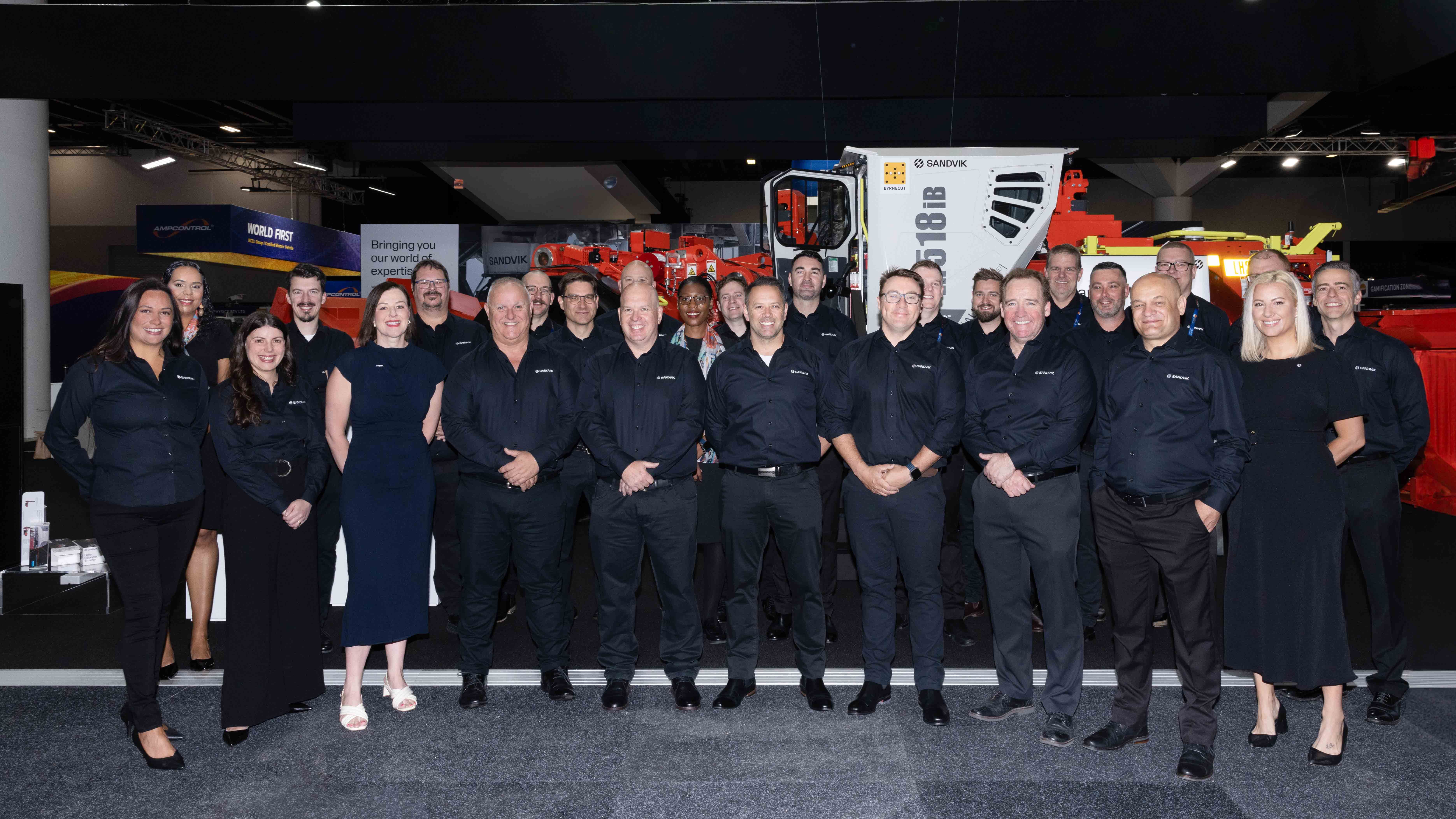
I worked with a mining client, Sandvik, who attended two different events in the same year.
At the first event, they were launching a new product into a new market. Success was heavily sales-focused. The goal was to create awareness, start conversations and generate opportunities with people who had never engaged with the solution before.
A few months later, they attended another event.
Same company.
Different audience.
Different goal.
They already had strong market saturation and existing relationships within that sector. This time the focus wasn't on generating new opportunities. It was about strengthening relationships, staying visible and reinforcing their position in the market.
The way we approached those events was different.
The conversations were different.
And the way success was measured was different.
That's why lead numbers should be viewed as one piece of the puzzle, not the whole picture.
For some exhibitors, success may be measured by opportunities entering the pipeline. For others, it could be strengthening customer relationships, increasing brand awareness, shifting market perception or supporting recruitment efforts.
One of the first conversations we have with OSCAR clients is around what success actually looks like before the event begins.
It sounds simple, but it's surprising how often teams invest heavily in exhibiting without first agreeing on what they're trying to achieve. Working through it with an outsider often brings a different perspective.
Once those objectives are clear, decisions become easier.
Teams become more aligned.
And suddenly you're measuring progress against what mattered in the first place.
The Real Goal of Qualification
The purpose of qualification isn't to judge people and it isn’t just about collecting better data for a spreadsheet after the event.
The real purpose of qualification is to help your team make better decisions while the conversation is actually happening.
Trade shows place enormous demands on teams.
There are limited hours.
Limited attention.
Limited energy.
At any given moment, your team are making decisions about where to spend their time, who needs support and which conversations deserve to go deeper.
Qualification helps create that focus.
It helps teams recognise where they can add the most value and identify opportunities while they're still standing in front of them, rather than trying to figure it all out weeks later during follow-up.
The exhibitors who consistently outperform their competitors aren't usually the ones having the most conversations.
They're the ones having the right conversations.
Because trade show success isn't determined by how many people stop at your stand.
It's determined by what happens after they leave.
Final Thoughts
Most exhibitors walk away from an event asking the same question: "How many leads did we get?"
But it's often the wrong question.
Because trade show performance isn't determined by what happens on the lead scanner.
It's determined by how effectively your team spend their time while opportunities are standing right in front of them.
The teams that consistently generate better outcomes aren't necessarily attracting more visitors.
They're recognising which conversations deserve their attention and creating momentum from them.
That's the real goal of qualification.
Not collecting data, not ticking boxes and not simply making life easier for the CRM.
It's helping your team focus their time, energy and expertise where it can create the greatest impact.
Because when the event is over, nobody remembers how busy the stand felt.
They remember the opportunities that came from it.
FAQ's
What is trade show lead qualification?
Trade show lead qualification is the process of identifying which conversations are most likely to contribute to the objectives of your event.
Many exhibitors assume qualification is something that happens after the show, when the leads are uploaded into a CRM. In reality, qualification starts on the stand.
It helps teams decide where to focus their time, attention and expertise while opportunities are standing right in front of them.
Why is lead qualification important at trade shows?
Time is one of the most valuable resources on the exhibition floor.
Every minute spent in the wrong conversation is a minute that can't be spent with someone else.
Qualification helps teams recognise where they can create the greatest value, rather than treating every visitor exactly the same.
The goal isn't to dismiss people. It's to make better decisions about where to invest your attention.
What is the difference between lead quantity and lead quality?
Lead quantity measures how many contacts were captured.
Lead quality measures how closely those contacts align with the objectives of the event.
Many exhibitors become fixated on lead volume because it's easy to count. The challenge is that large numbers can create false confidence. One qualified opportunity can often create more value than dozens of conversations that were never likely to progress.
How do you qualify trade show leads effectively?
Effective lead qualification starts long before the event opens.
Teams need a clear understanding of who they are hoping to speak with, what signals indicate genuine interest and what information needs to be gathered during conversations.
The best qualification processes feel natural. They don't feel like an interrogation. They feel like a genuine conversation that helps both parties determine whether there is a good fit.
What are common trade show lead qualification mistakes?
One of the biggest mistakes I see is organisations treating every visitor as a lead.
When this happens, teams become reactive. Conversations become harder to prioritise and follow-up becomes overwhelming.
Other common mistakes include focusing purely on lead volume, collecting information without context and failing to define what a qualified opportunity actually looks like before the event begins.
Should every visitor receive the same level of attention?
Every visitor deserves a positive experience.
That doesn't mean every conversation requires the same amount of time, energy or resource.
High-performing exhibition teams understand how to balance being welcoming with recognising where deeper conversations are likely to create the greatest impact.
How do you measure lead quality from a trade show?
The better question is often: what were you trying to achieve?
A product launch, customer engagement event and recruitment-focused exhibition may all have completely different definitions of success.
Lead quality should be measured against the objectives established before the event. That may include follow-up meetings, opportunity creation, relationship development, pipeline progression or other meaningful outcomes.
What is a good number of leads from a trade show?
There is no universal benchmark
I've seen exhibitors generate hundreds of leads and struggle to create meaningful opportunities afterwards. I've also seen teams leave an event with a relatively small number of conversations and be delighted with the outcome because those conversations aligned perfectly with their objectives.
A good result isn't determined by lead volume alone. It's determined by whether the event achieved what it was designed to achieve.
How can exhibitors improve lead quality at future events?
Lead quality is often influenced long before a conversation begins.
Clearer messaging, better-prepared teams, stronger engagement strategies and a shared understanding of what success looks like can all improve the quality of conversations on the stand.
Reviewing outcomes after each event also helps identify patterns and opportunities to improve performance over time.
What should exhibitors measure besides lead volume?
One of the biggest mistakes I see is organisations measuring every event the same way.
Trade shows are attended for many different reasons. Some are sales-focused. Others are centred around brand awareness, relationship building, product launches, customer engagement or recruitment.
Before deciding what to measure, start by defining why you're attending the event in the first place.
Once that's clear, the right metrics tend to become much easier to identify.